Empowering Lives: Your Comprehensive Guide to Cancer Care and Prevention
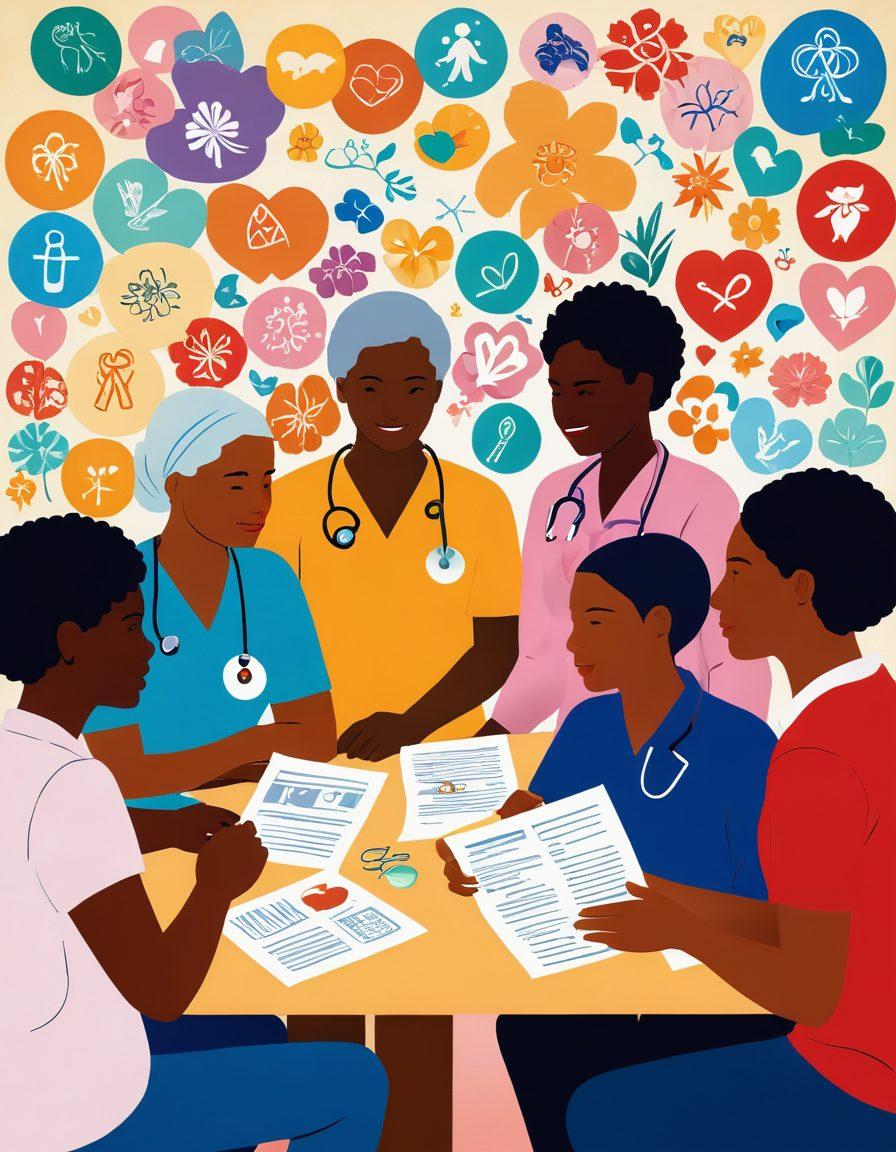
Navigating the journey of cancer care is no easy feat—it's often a winding road filled with uncertainty, fear, and an overwhelming volume of information. For every patient, the reality of a cancer diagnosis is a profound turning point that requires both immediate and long-term strategies for effective cancer care. This is where the heart of our conversation lies today: essential cancer care strategies that empower patients to take charge of their health. With the right resources and community support, what once feels insurmountable becomes more manageable. So, where do you start?
First and foremost, understanding your cancer diagnosis is crucial. What does it mean for you? How does it affect your daily life? Knowing the facts and figures, like cancer statistics or common cancer symptoms, can provide a sense of empowerment. As the saying goes, 'Knowledge is power.' Equip yourself with cancer education from reputable health blogs and wellness resources that break down complex medical insights and make them accessible. This is your journey, and understanding your condition is the first step toward successful cancer prevention and effective treatment.
Once you're equipped with information, the next essential strategy focuses on your mind-body connection. Integrative health combines traditional cancer therapies with alternative medicine approaches such as yoga, meditation, or dietary adjustments. Engaging in such practices can significantly enhance your quality of life during treatment. What if the key to feeling better lies not just in the pills you take but in the lifestyle changes you embrace? Introducing small, holistic health habits like nurturing your passions or participating in cancer advocacy can offer emotional support while also contributing to your wellness journey.
Moreover, we must underscore the importance of community support. Finding your tribe can be an absolute game-changer during this journey. Whether through support groups, cancer survivorship programs, or engaging in local oncology news and initiatives, sharing experiences with others can help alleviate feelings of isolation. It's reassuring to know that you are not alone, and connecting with other patients or caregivers can provide emotional resources that are just as valuable as clinical care. Have you reached out to anyone lately who understands your experience?
Lastly, never underestimate the power of a proactive approach to your health. Stay informed about the latest medical research and cancer therapies that could benefit you and be vigilant about your health through regular check-ups. Taking ownership of your cancer care journey will also help you better manage your health outcomes. Remember, the path to healing is not just physical—it’s an ongoing process embracing learning and community support. Together, let’s navigate the often complicated waters of cancer care, building a robust framework for empowerment and resilience.
Preventive Power: How Lifestyle Choices Can Impact Cancer Risk
The power to prevent cancer may very well lie in our daily choices. Imagine a world where we could mitigate the risks of cancer simply by adopting a healthier lifestyle. It's not just a hopeful notion; it's a growing realization supported by emerging medical research. The importance of cancer prevention can't be overstated—after all, as they say, an ounce of prevention is worth a pound of cure. By understanding how our lifestyle choices impact cancer risk, we can take actionable steps toward a healthier future for ourselves and our loved ones.
In an age of overwhelming medical insights and oncology news, it's easy to feel lost when it comes to cancer care. But did you know that your diet, physical activity level, and even your stress management techniques can significantly affect your cancer risk? Consider this: a recent study indicates that approximately 30-50% of all cancer cases may be preventable through lifestyle modifications. Let's delve into some practical strategies that can empower you to make informed choices, leading to cancer education that goes beyond clinical guidelines.
Start with your plate. Nutrition plays an instrumental role in cancer prevention. It's not about restrictive diets, but rather about incorporating a rainbow of fruits and vegetables into your meals. Colorful produce is packed with antioxidants that help battle free radicals, which are linked to cancer development. Think of it as painting your plate for better health! Engaging in community support can also bolster this journey—provide your loved ones with wellness resources, share recipes, and challenge each other to make healthier choices. It’s easier to stay motivated when you’re not flying solo!
Exercise is another crucial piece of the cancer lifestyle puzzle. Finding an enjoyable form of physical activity doesn’t have to resemble mundane workouts—it could mean dancing, hiking, or even joining a local sports team! Staying active not only helps maintain a healthy weight but also reduces the risk of various cancer types. Remember, it's not just about physical fitness but also mental wellness. When you engage in movement, you release endorphins that enhance your mood, proving that self-care is paramount. Ask yourself: when was the last time you got moving and really enjoyed it?
Lastly, let's not overlook the mind-body connection. Stress management techniques like meditation, yoga, or simply enjoying nature can be profound allies in cancer prevention. Research continues to indicate that chronic stress may increase inflammation and contribute to disease progression. So, take a moment each day to breathe deeply, reflect, and prioritize your mental health. After all, cancer survivorship isn't just about surviving a diagnosis; it's about living a life full of vitality. This holistic approach to health can be your strongest ally in the fight against cancer. Begin today with just one small lifestyle change—what's your first step?
Community and Compassion: The Role of Support Networks in Cancer Survivorship
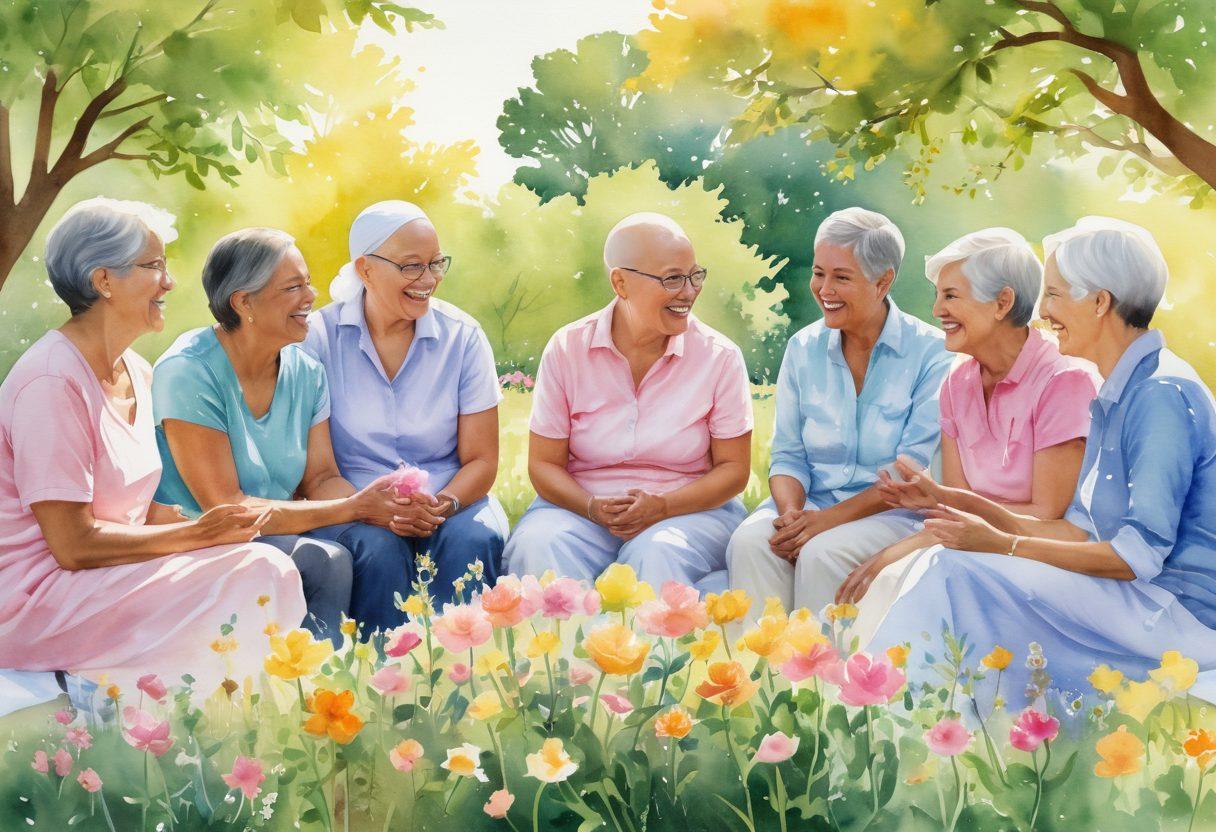
Imagine walking through a garden of hope, where every flower represents a life touched by cancer. This is the landscape of cancer survivorship—a place where community and compassion intertwine to create unbreakable bonds. In the face of a cancer diagnosis, fear can often feel overwhelming, but what if I told you that community support and patient networks can illuminate the darkest paths? This blog explores the essential role of support networks in cancer care and how they empower survivors to navigate their journey toward recovery and wellness.
The statistics surrounding cancer can be staggering, but within those numbers are real stories of triumph and resilience. According to recent cancer statistics, nearly 18 million Americans are living with a history of cancer. Like a tapestry woven from countless lives, each survivor’s journey is unique, yet they share a common thread: the support from family, friends, and dedicated communities. When navigating cancer diagnosis and treatment, these networks can provide invaluable resources, from emotional support to practical advice on cancer therapies and alternative medicine options.
Have you ever pondered the healing power of empathy? In moments of vulnerability, such as during cancer treatment or after receiving a diagnosis, having a strong support network can be transformative. Whether it’s a simple text message of encouragement or a community group focused on patient support, the compassion shared among cancer survivors creates an environment where healing can thrive. As one survivor once said, 'In the womb of community, I found my strength.' This statement encapsulates the power of shared experiences and the comfort that arises from knowing that you’re not alone in the battle against cancer.
Engaging with support groups or wellness resources can significantly enhance a cancer survivor's experience. These networks are not just about information; they foster meaningful connections. They offer opportunities to learn about cancer education, integrative health practices, and ongoing medical research breakthroughs. Participants often exchange ideas about healthy cancer lifestyle choices, and advocacy efforts that aim to raise awareness about cancer prevention. The question is, how do you find the right community for your needs? Start exploring local cancer support centers, online forums, or even social media groups dedicated to oncology news and cancer survivorship.
Ultimately, the journey of cancer survivorship is a reminder of our shared humanity. It’s about more than just surviving; it’s about thriving with the help of compassionate communities. These support networks not only offer hope but also equip survivors with tangible strategies for wellness, from managing cancer symptoms to accessing cutting-edge medical insights. So, as you reflect on your own experiences with cancer, consider: who has been part of your support network? And how can you expand it to not only enrich your own life but also extend a hand to others navigating similar paths? Together, we can cultivate a community that empowers every individual to embrace life, not just in the aftermath of cancer, but with newfound vigor and passion.